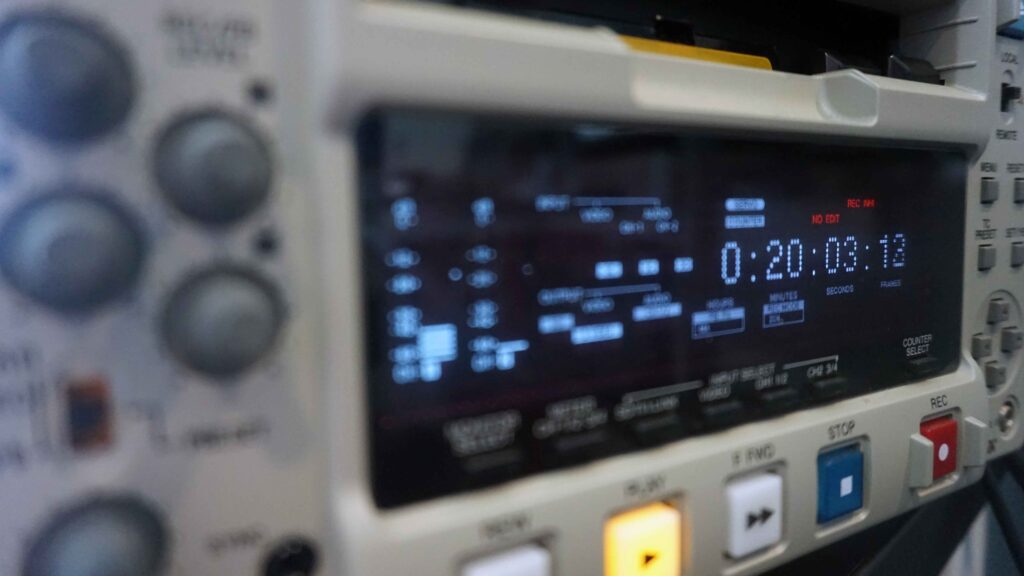
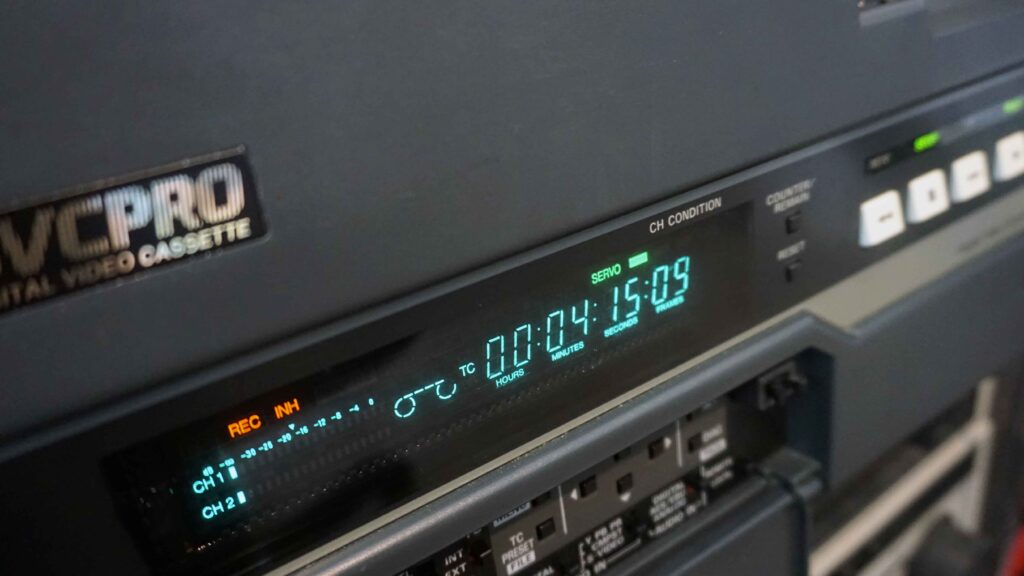
Betacam and its variants—including Betacam SP, Betacam SX and Digital Betacam—were widely used throughout the broadcast television industry for many years. As a result, a significant amount of historically important footage remains stored on these formats.
We were tasked with repairing and recovering 32 damaged Betacam SP tapes containing footage of a significant chapter in New Zealand’s history. Given the importance of the material, achieving the fullest possible recovery was essential.
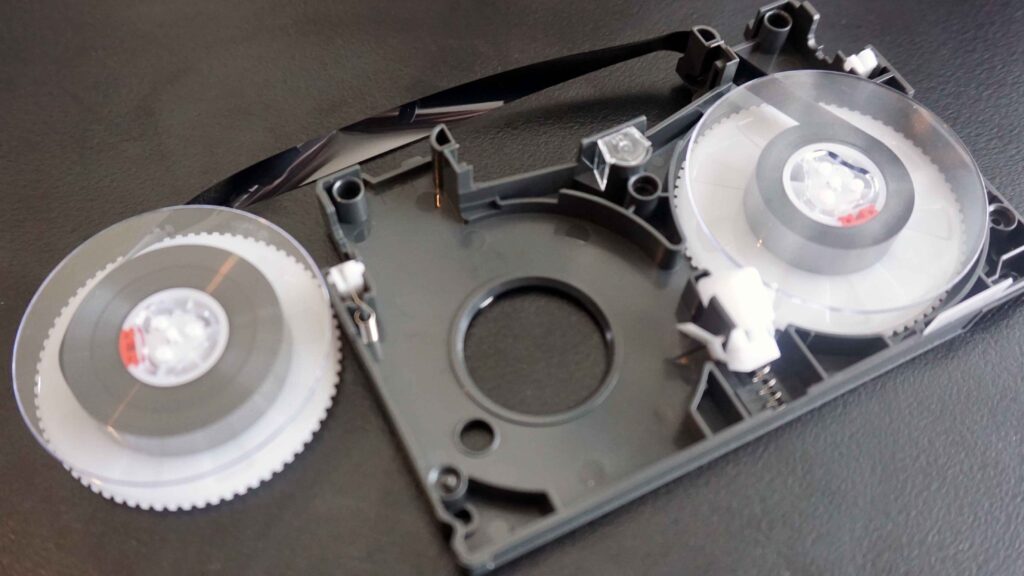
A combination of improper storage, temperature fluctuations and moisture exposure had left the cassettes unplayable in a VTR. Before digitisation could begin, every cassette had to be carefully disassembled, cleaned, spliced, baked and reassembled.
Fortunately, the tapes had not been rewound after their last use. Much of the physical damage was therefore confined to sections containing no recorded material—a small oversight that ultimately helped save the collection.
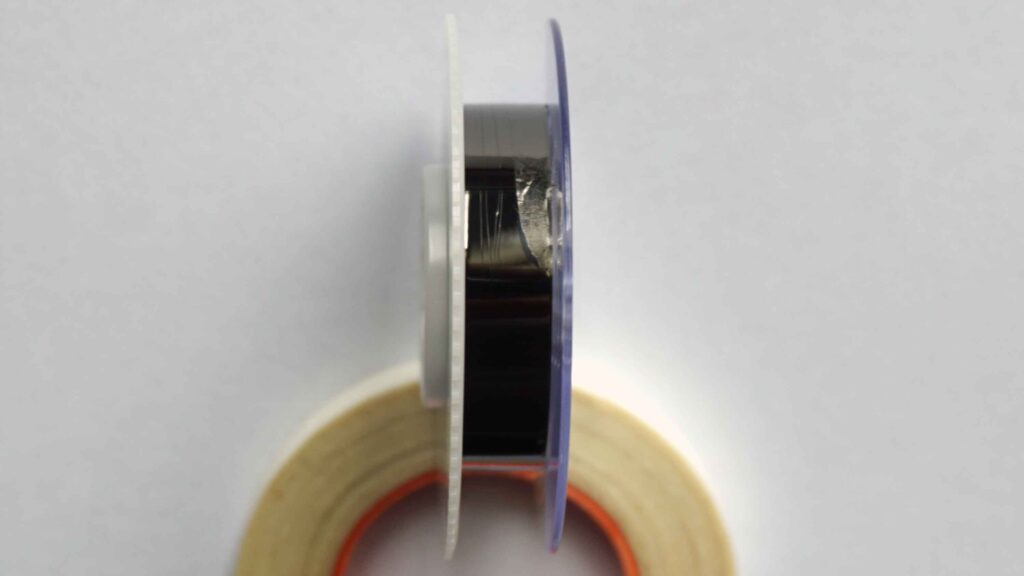
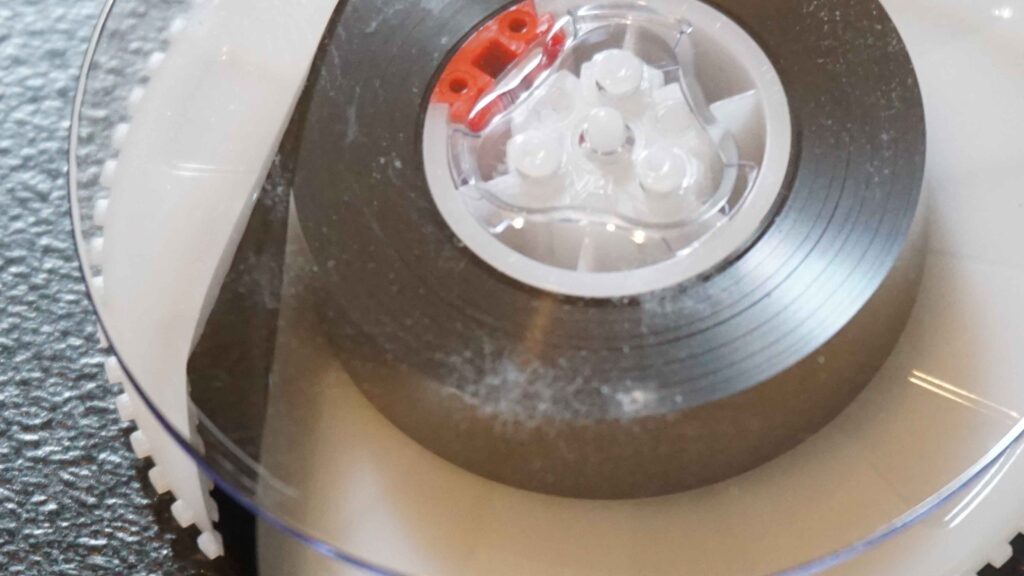
The images below show the extent of the damage both to the actual tape itself and to the tape path.
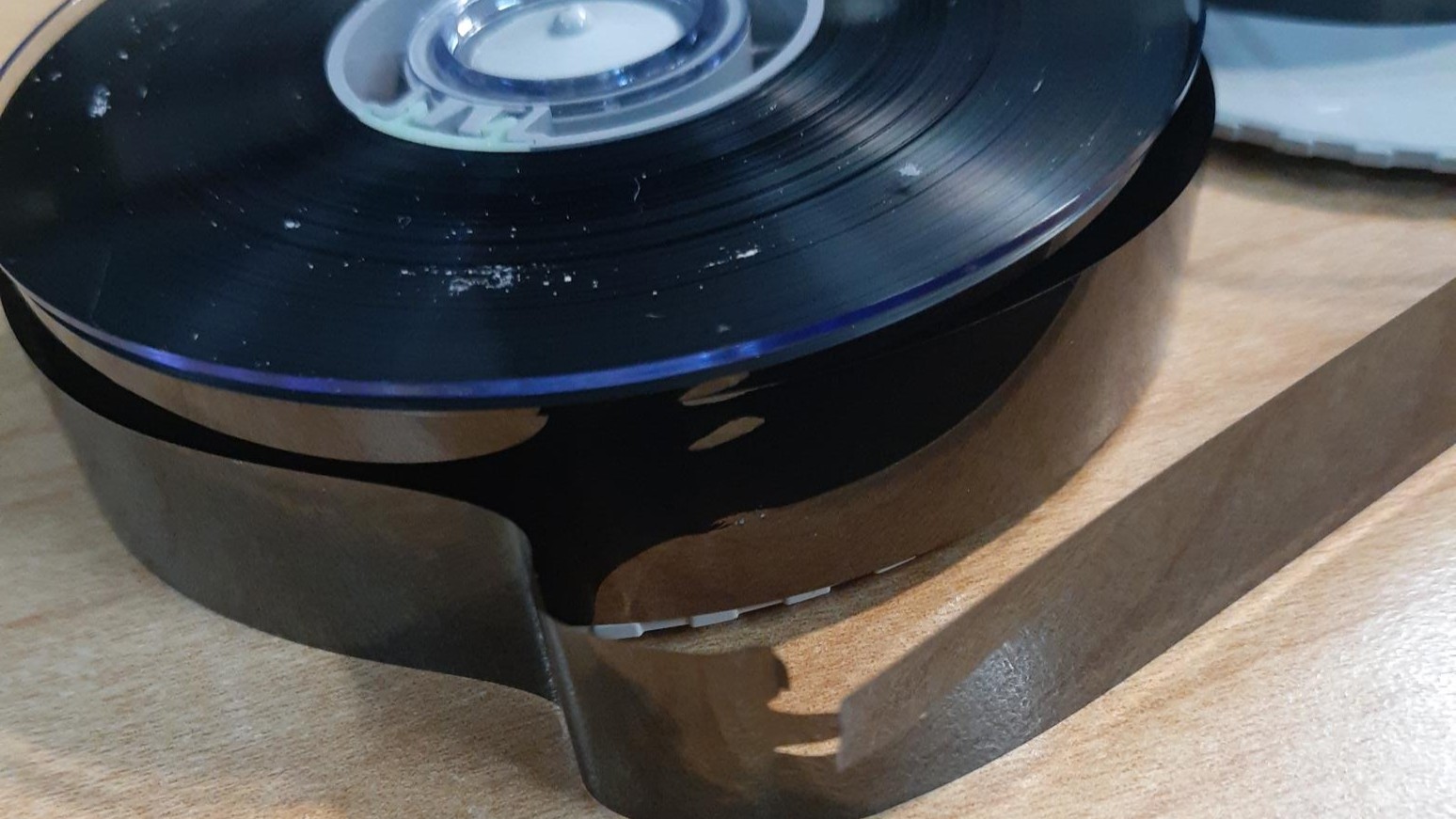
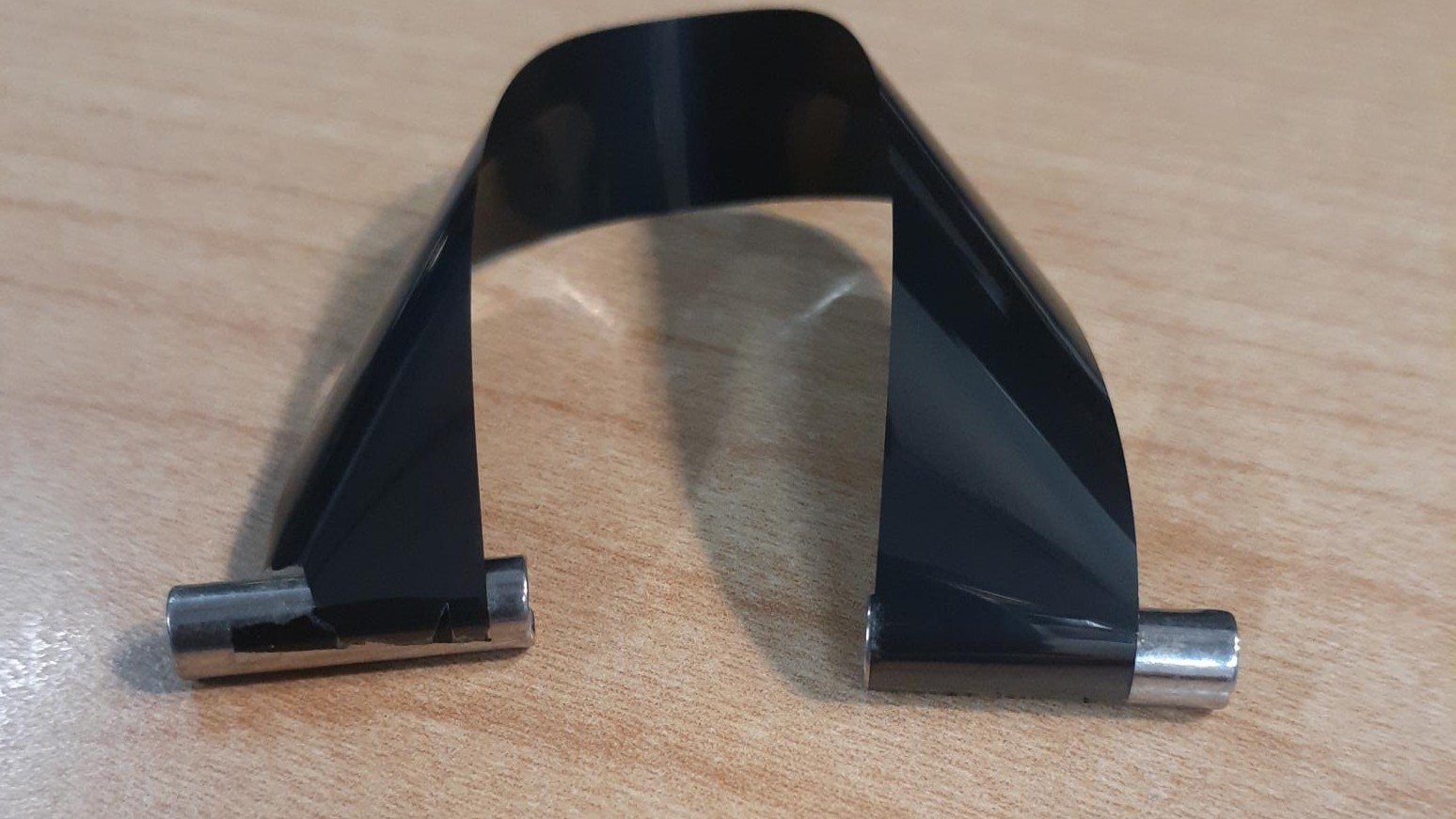

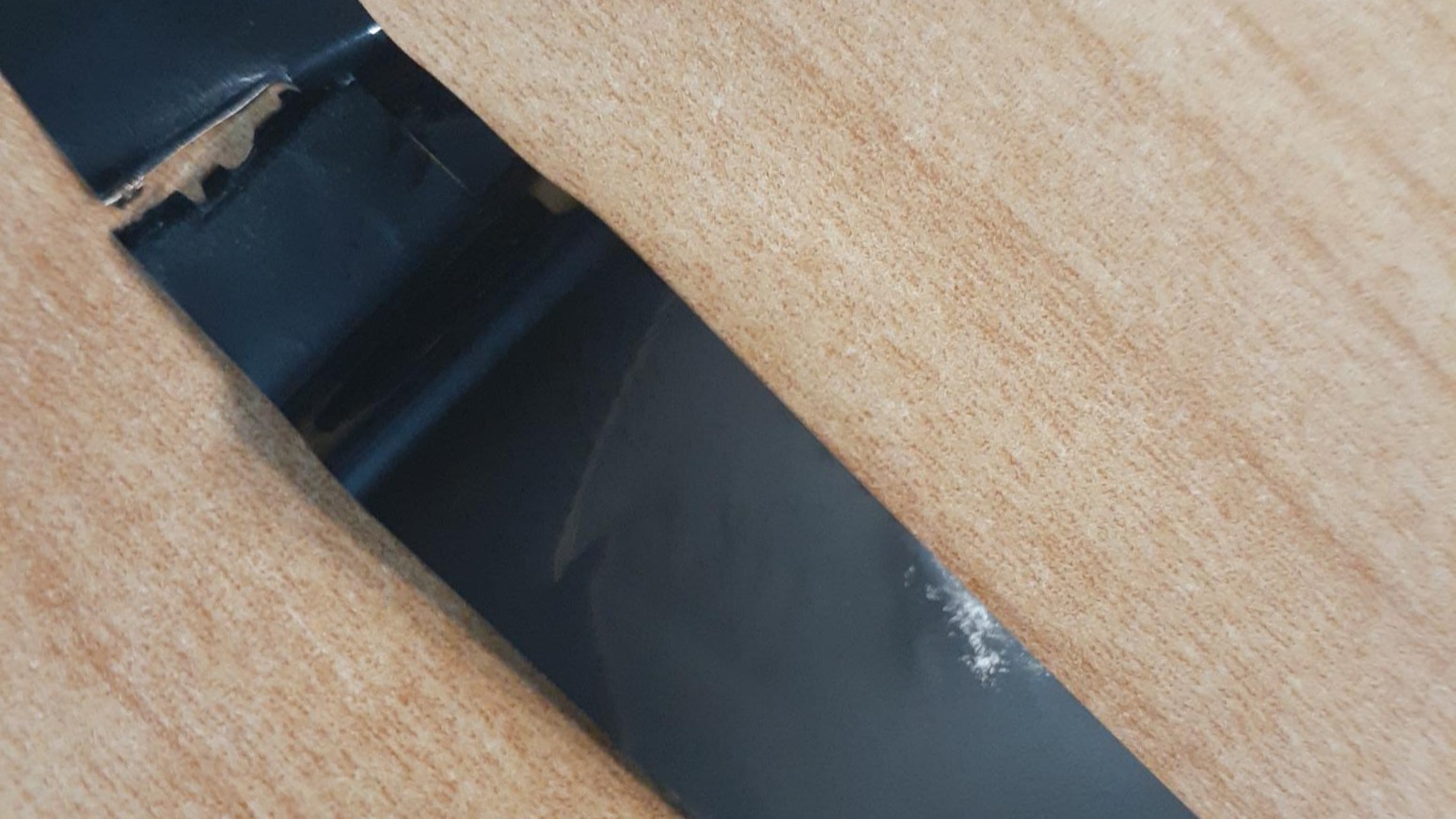
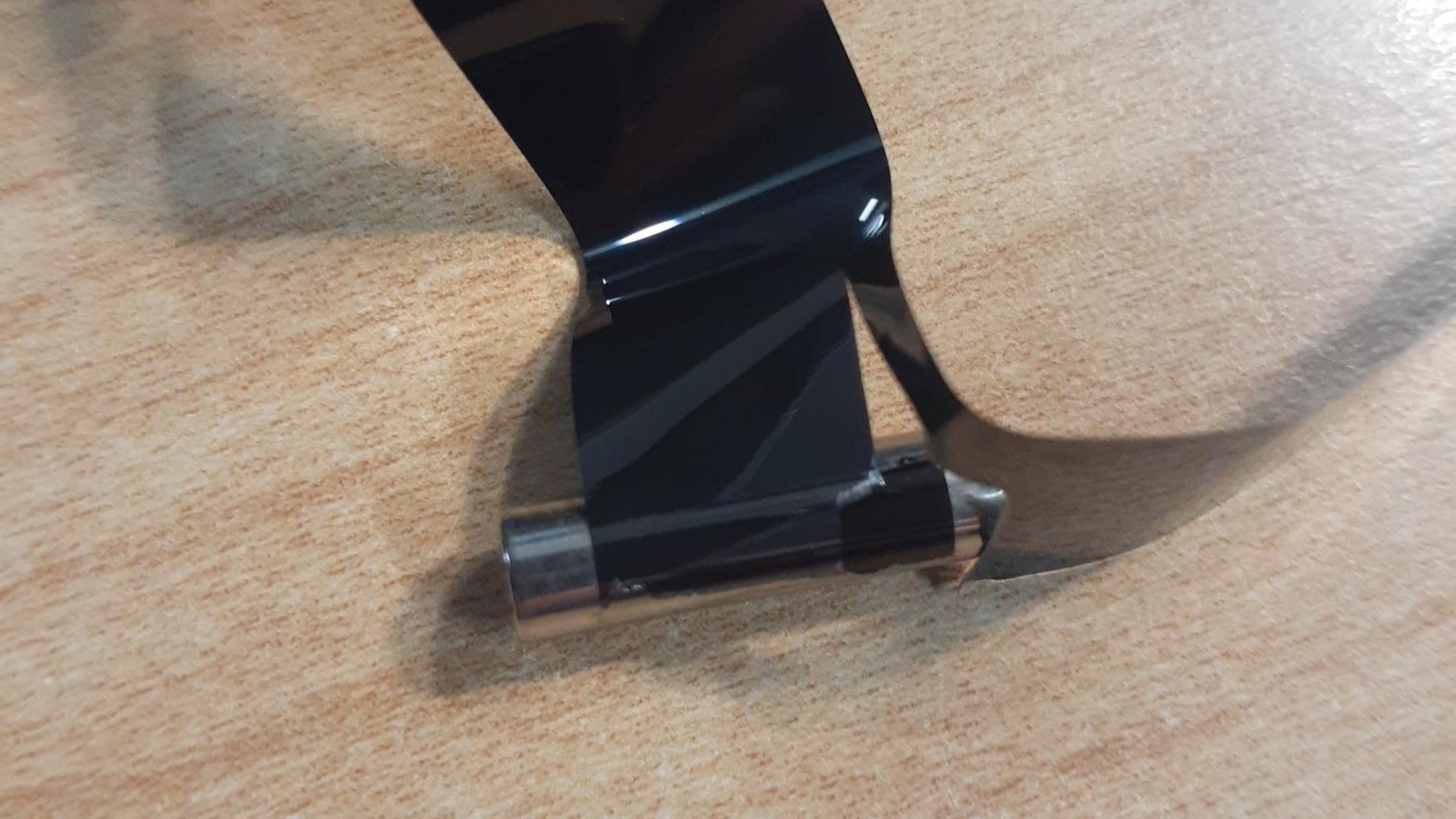
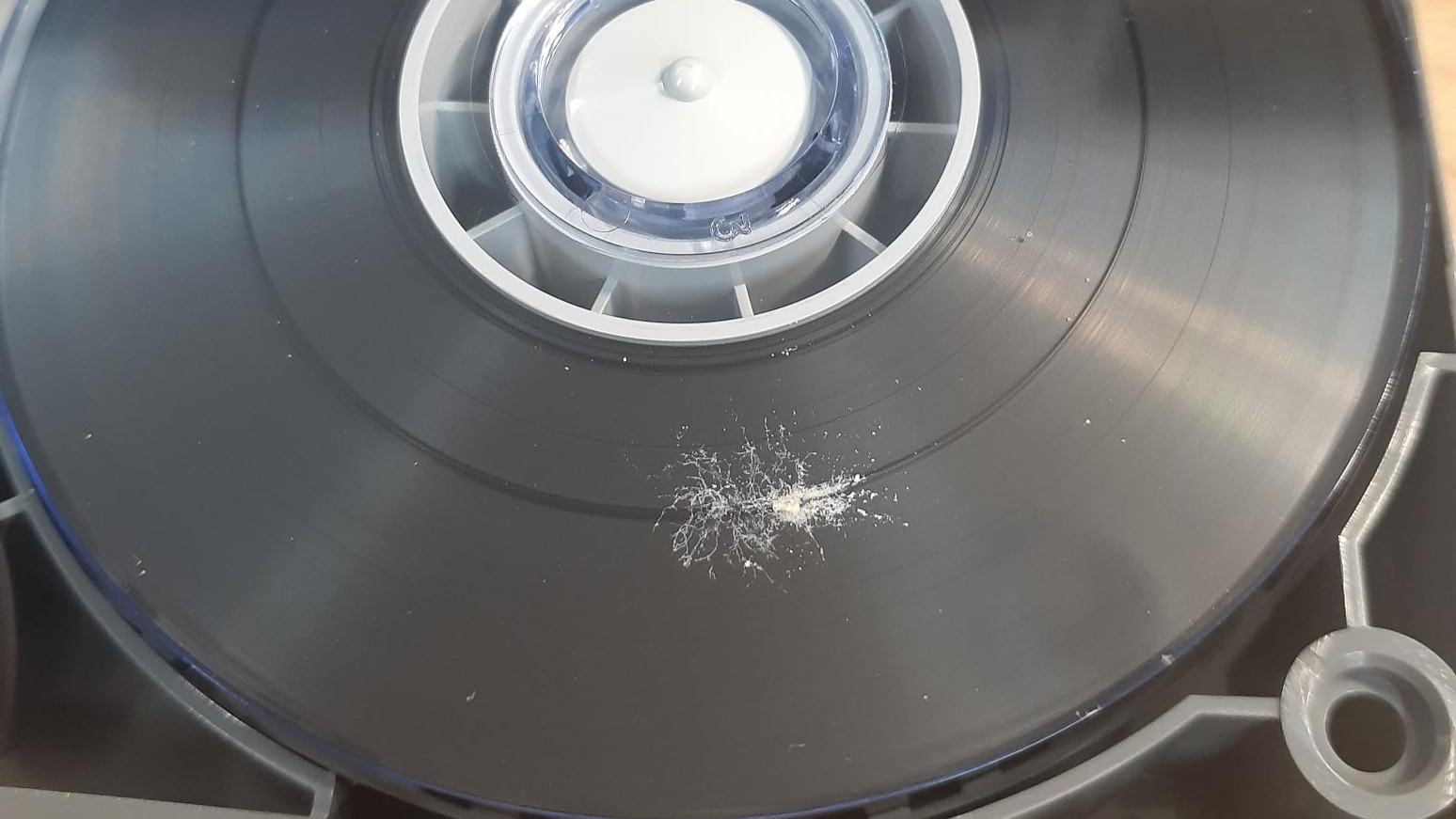
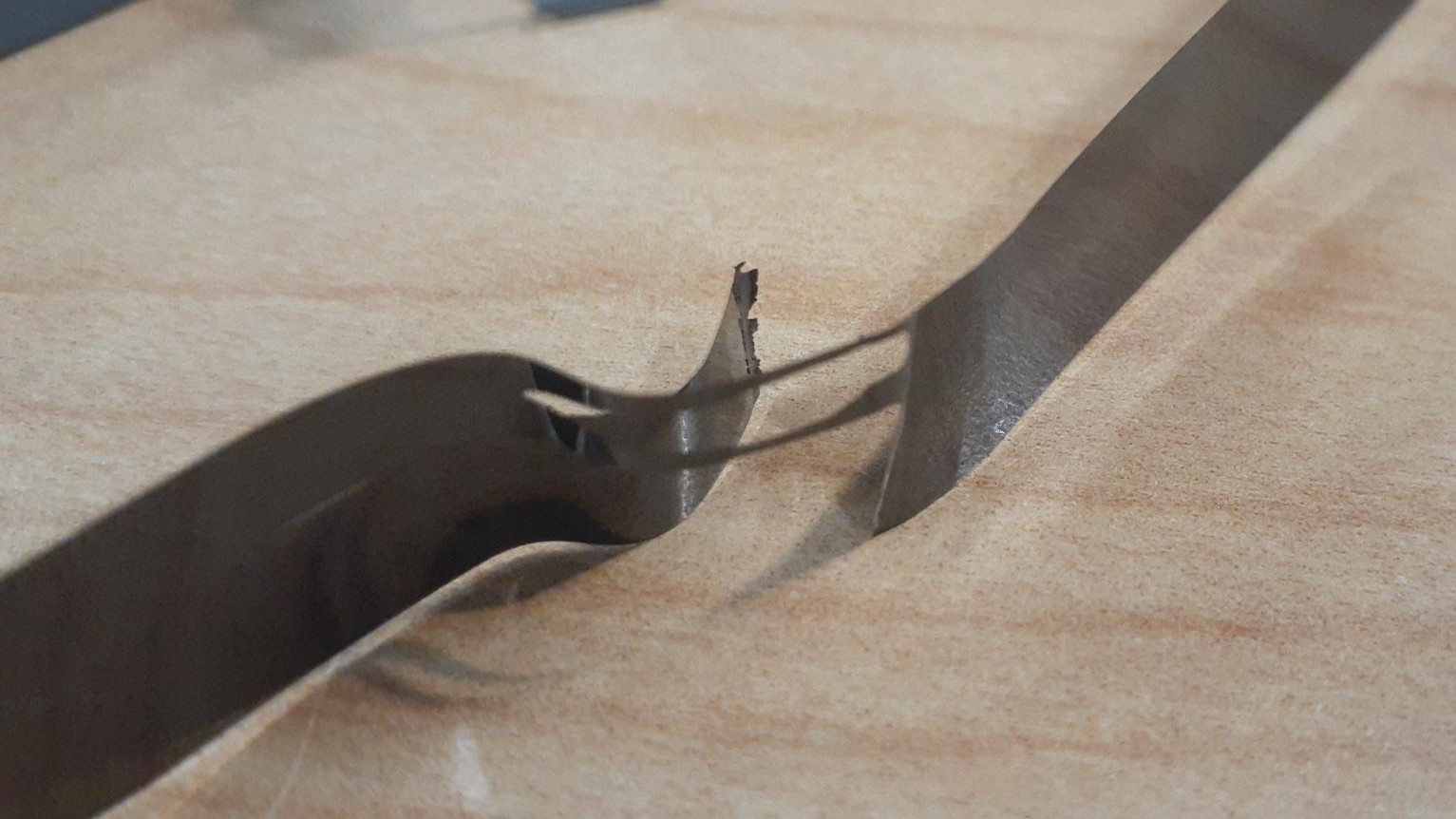
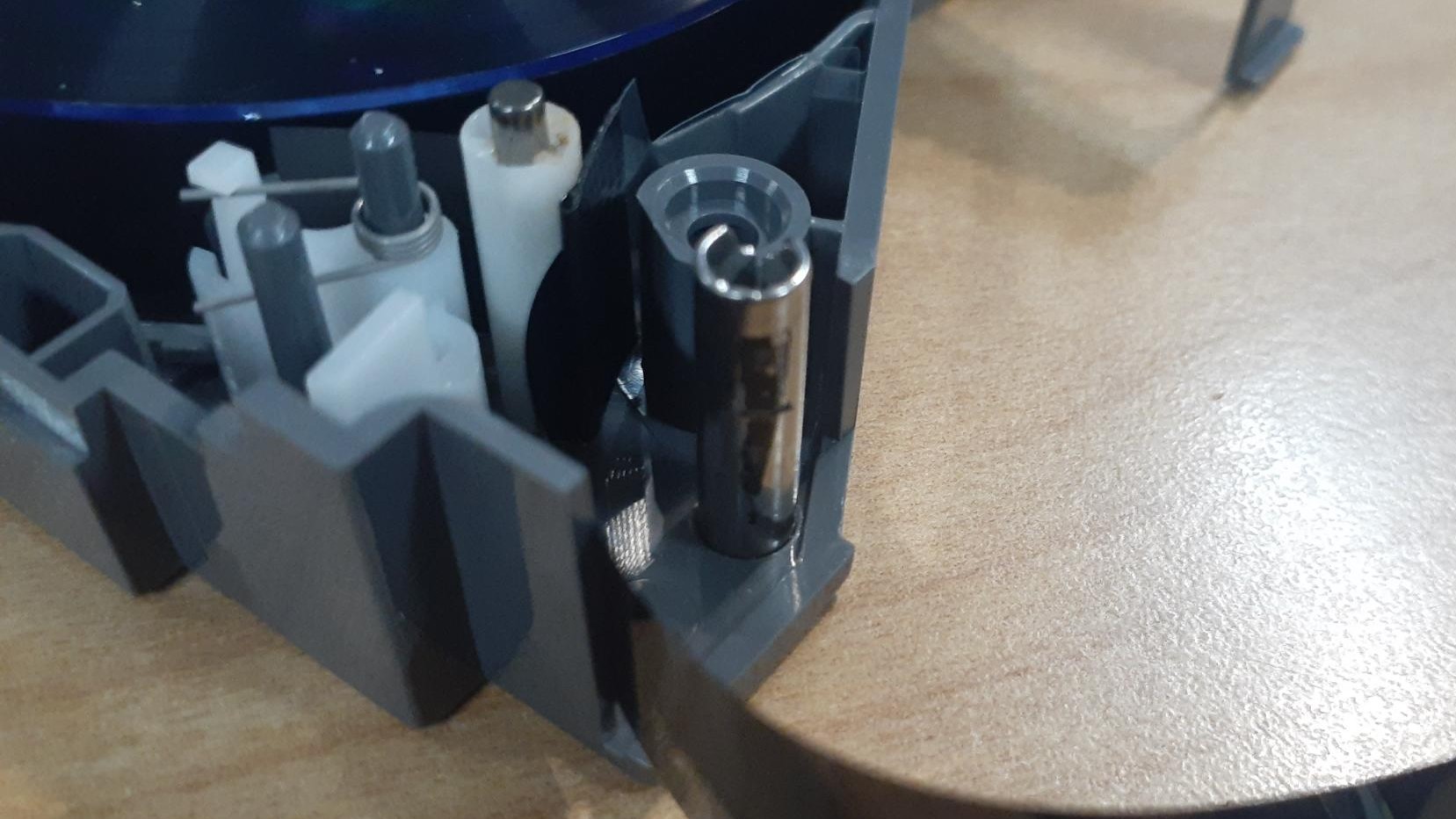
Contrary to popular belief, Betacam tape can be spliced. We have refined specialist techniques and methods designed to maximise the recovery of damaged videotape, although the outcome depends heavily on the extent of the damage and the tape’s exposure to extreme temperatures or moisture.
Digitizing and deliverables
The tapes were captured through a direct SDI signal path and upscaled to 1080p using a Kudos Pro converter. A HyperDeck SSD recorder captured the footage as ProRes 422 files. Deliverables included ProRes 422 masters and HD MP4 copies for general viewing and online sharing.


An overall recovery rate of 99.5% and a very happy customer.
If you have Betacam tapes in storage, consider having them digitised before it is too late. Contact us to learn more about our specialist tape repair and recovery services.